
SPAN
SPAN function ကိုသုံးပြီး network monitoring နဲ့ troubleshooting အတွက် သတ်မှတ်ထားတဲ့ port တစ်ခုကနေ network monitoring device နဲ့ ချိတ်ဆက်ထားတဲ့ switch ရဲ့ တခြား port တစ်ခုဆီကို packet တွေကို copy ကူးနိုင်ပါတယ်။
SPAN သည် source port နှင့် destination port အကြား packet ဖလှယ်မှုကို မထိခိုက်ပါ။ source port မှ ဝင်ရောက်လာသော နှင့် output ပြုလုပ်သော packet အားလုံးကို destination port သို့ ကူးယူပါသည်။ သို့သော်၊ mirrored traffic သည် destination port ၏ bandwidth ထက်ကျော်လွန်ပါက၊ ဥပမာအားဖြင့်၊ 100Mbps destination port သည် 1000Mbps source port ၏ traffic ကို စောင့်ကြည့်ပါက၊ packet များကို စွန့်ပစ်နိုင်ပါသည်။
RSPAN
Remote port mirroring (RSPAN) သည် local port mirroring (SPAN) ၏ တိုးချဲ့မှုဖြစ်သည်။ Remote port mirroring သည် source port နှင့် destination port တို့သည် device တစ်ခုတည်းတွင် ရှိရမည်ဟူသော ကန့်သတ်ချက်ကို ချိုးဖောက်ပြီး source port နှင့် destination port တို့သည် network device များစွာကို ဖြတ်ကျော်နိုင်စေပါသည်။ ဤနည်းအားဖြင့် network administrator သည် central equipment room တွင်ထိုင်ပြီး analyzer မှတစ်ဆင့် remote mirrored port ၏ data packet များကို ကြည့်ရှုနိုင်သည်။
RSPANmirrored packet အားလုံးကို အထူး RSPAN VLAN (Remote VLAN ဟုခေါ်သည်) မှတစ်ဆင့် Remote mirroring device ၏ destination port သို့ ပေးပို့သည်။ device များ၏ အခန်းကဏ္ဍများကို အမျိုးအစားသုံးမျိုးခွဲခြားနိုင်သည်။
၁) Source Switch: switch ရဲ့ Remote image source port ဟာ source switch output port ကနေ source port message ရဲ့ copy ကို ပို့ပေးဖို့ တာဝန်ရှိပြီး Remote VLAN forwarding ကနေတစ်ဆင့် အလယ်ကို ဒါမှမဟုတ် switch ကို ပို့လွှတ်ပါတယ်။
၂) Intermediate Switch: source နဲ့ destination switch အကြား network မှာ switch, mirror ကနေ Remote VLAN packet ပို့လွှတ်ပြီး နောက် switch ဒါမှမဟုတ် အလယ်မှာ switch ကို ပို့လွှတ်ပါတယ်။ source switch ကို destination switch နဲ့ တိုက်ရိုက်ချိတ်ဆက်ထားရင် intermediate switch မရှိပါဘူး။
၃) Destination Switch: switch ရဲ့ remote mirror destination port ကိုသုံးပြီး mirror destination port forwarding ကနေတစ်ဆင့် message တစ်ခုကို monitor equipment ကိုလက်ခံရရှိဖို့ Remote VLAN ကနေ mirror လုပ်ပါတယ်။
ERSPAN
Encapsulated Remote port mirroring (ERSPAN) သည် remote port mirroring (RSPAN) ၏ တိုးချဲ့မှုတစ်ခုဖြစ်သည်။ အဖြစ်များသော remote port mirroring session တွင် mirrored packets များကို Layer 2 တွင်သာ ထုတ်လွှင့်နိုင်ပြီး routed network မှတစ်ဆင့် ဖြတ်သန်း၍မရပါ။ encapsulated remote port mirroring session တွင် mirrored packets များကို routed network များအကြား ထုတ်လွှင့်နိုင်သည်။
ERSPAN သည် mirrored packet အားလုံးကို GRE tunnel မှတစ်ဆင့် IP packet များအဖြစ် encapsulate လုပ်ကာ remote mirroring device ၏ destination port သို့ route လုပ်ပေးသည်။ device တစ်ခုစီ၏ အခန်းကဏ္ဍများကို အမျိုးအစားနှစ်မျိုးခွဲခြားထားသည်။
၁) Source Switch: encapsulation remote image source switch ရဲ့ port ဟာ source switch output port ကနေ source port message ရဲ့ copy ကို တာဝန်ယူပြီး GRE ကနေတစ်ဆင့် IP packet forwarding ထဲကို encapsulate လုပ်ကာ switch တွေကို ရည်ရွယ်ချက်ရှိရှိ လွှဲပြောင်းပေးပါတယ်။
၂) Destination Switch: encapsulation remote mirror destination port of switch သည် mirror mirror destinationport မှတစ်ဆင့် မက်ဆေ့ချ်ကို လက်ခံရရှိမည်ဖြစ်ပြီး decapsulation ပြီးနောက် GRE မက်ဆေ့ချ်ကို monitor equipment သို့ ပေးပို့မည်ဖြစ်သည်။
remote port mirroring function ကို implement လုပ်ဖို့၊ GRE မှ encapsulate လုပ်ထားတဲ့ IP packets တွေဟာ network ပေါ်က destination mirroring device ကို route လုပ်လို့ရပါမယ်။

ပက်ကက် အပ်ကက်ဆူလာ အထွက်
ဖမ်းယူထားသော traffic ရှိ မည်သည့်သတ်မှတ်ထားသော packet များကိုမဆို RSPAN သို့မဟုတ် ERSPAN header သို့ encapsulate လုပ်ပြီး back-end monitoring system သို့မဟုတ် network switch သို့ output ထုတ်ပေးရန် ပံ့ပိုးပေးထားသည်။
Tunnel Packet ရပ်ဆိုင်းခြင်း
traffic input port များအတွက် IP address များ၊ mask များ၊ ARP responses များနှင့် ICMP responses များကို configure လုပ်နိုင်သည့် tunnel packet termination function ကို support လုပ်ထားသည်။ user network တွင် စုဆောင်းရမည့် traffic ကို GRE၊ GTP နှင့် VXLAN ကဲ့သို့သော tunnel encapsulation methods များမှတစ်ဆင့် device သို့ တိုက်ရိုက်ပေးပို့သည်။
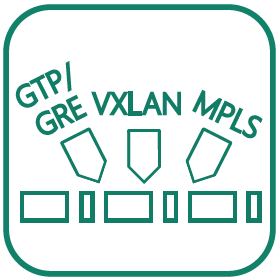
VxLAN၊ VLAN၊ GRE၊ MPLS Header ဖြုတ်ခြင်း
မူရင်းဒေတာပက်ကက်တွင် ချွတ်ထားသော VxLAN၊ VLAN၊ GRE၊ MPLS header နှင့် forward လုပ်ထားသော output ကို ပံ့ပိုးပေးခဲ့သည်။
ပို့စ်တင်ချိန်: ၂၀၂၃ ခုနှစ်၊ ဇန်နဝါရီလ ၃ ရက်


